


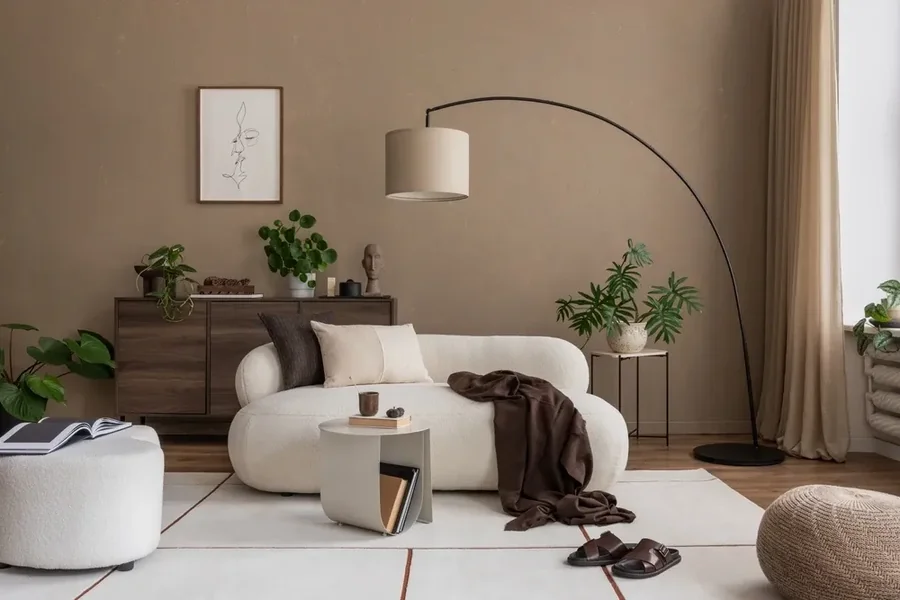
In contemporary architecture and interior design, one of the most enduring challenges is achieving a seamless balance between beauty and functionality. Spaces are no longer judged solely by their aesthetic appeal; they are expected to serve practical purposes while also enriching the human experience. The most successful designs are those where these two aspects do not compete, but instead complement and enhance one another.
The Role of Functionality
Functionality is the foundation of any well-designed space. It refers to how efficiently a space supports the activities of its users. This includes layout, accessibility, storage solutions, lighting, and flow of movement. A functional space anticipates human behavior and adapts to it, making daily routines smoother and more intuitive.
For example, in residential design, a well-planned kitchen minimizes unnecessary movement, placing frequently used items within easy reach. A modern bathroom renovation can significantly improve both usability and comfort by optimizing space, improving storage, and upgrading lighting and plumbing systems. In offices, ergonomic furniture and flexible layouts improve productivity and comfort. Without functionality, even the most visually striking space can become impractical and frustrating to use.
The Power of Aesthetics
Beauty in design goes beyond decoration. It involves harmony, proportion, color, texture, and atmosphere. A visually appealing space has the power to influence mood, inspire creativity, and create a sense of identity. Aesthetic choices help transform a simple room into an environment that feels welcoming and meaningful.
Natural light, carefully chosen materials, and thoughtful color palettes can significantly enhance how a space is perceived. For instance, warm tones may create a sense of comfort in a living room, while clean lines and neutral colors may promote focus in a workspace.
Where Beauty and Functionality Meet
The true essence of great design lies in the integration of these two principles. Rather than treating beauty and functionality as separate goals, modern designers aim to fuse them into a unified concept.
Minimalist design is a strong example of this synergy. By eliminating unnecessary elements, it emphasizes clean aesthetics while improving usability. Similarly, multifunctional furniture—such as storage beds or extendable tables—demonstrates how practical solutions can also be visually elegant.
Technology also plays a growing role in this integration. Smart home systems allow spaces to adapt dynamically to user needs, while still maintaining a sleek and unobtrusive appearance.
Human-Centered Design
At the heart of this balance is human-centered thinking. Every space ultimately exists for people, and understanding their needs, habits, and emotions is essential. A successful design considers not only how a space looks or functions, but how it makes people feel and behave within it.
This approach ensures that beauty is not superficial, and functionality is not purely mechanical. Instead, both work together to create environments that are comfortable, inspiring, and efficient.
Conclusion
The fusion of beauty and functionality is not a trend but a fundamental principle of good design. When these elements are thoughtfully combined, spaces become more than just physical environments—they become experiences that support, inspire, and elevate everyday life.
