


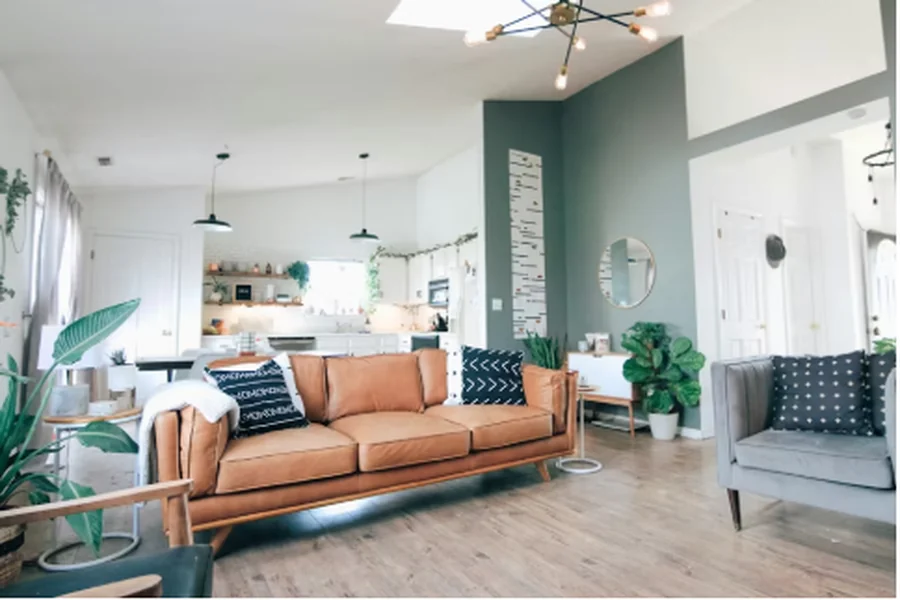
The world of interior design is an ever-evolving tapestry of styles and trends, where creativity and functionality intertwine to redefine personal spaces. The expertise of Communa home interior designs offers unique insights into mastering this artful balance, providing homeowners with innovative solutions that align aesthetics with lifestyle. As designers continuously spearhead these transformative creations, familiar elements like colour, texture, and layout are reimagined, resulting in both timeless and contemporary interior spaces.
The Timeless Allure of Minimalism
Minimalism remains a cornerstone in interior design, championed for its capacity to invoke calm and order. This design philosophy prioritises clean lines, open spaces, and a neutral palette, forming the perfect canvas for both relaxation and productivity. The principle of “less is more” guides homeowners in decluttering their spaces, which not only enhances visual appeal but also improves mental clarity. Using a restrained colour scheme and natural materials, such as wood and stone, minimalism crafts an elegant simplicity that stands the test of time.
The Colour Spectrum: From Neutrals to Bold Accents
Colour profoundly impacts the mood and perception of a space. While neutral tones such as whites, greys, and beiges serve as the foundation for most interiors, designers are increasingly exploring the spectrum with bold accents to rejuvenate the senses. Vibrant hues like emerald green, royal blue, and deep burgundy breathe life into living spaces, creating focal points that draw the eye. Through careful placement, such accents can energise communal areas or, when applied in softer shades, introduce a sophisticated tranquillity to personal retreats.
Texture: The Unseen Element of Comfort
Beyond furniture and colours, texture plays an invisible yet crucial role in shaping the experience of a home’s interior. Integrating a variety of materials adds depth and interest, enticing the sense of touch and comfort. A combination of soft textiles like velvet or wool, juxtaposed with harder surfaces such as metal and glass, can transform the feel of a space. Layering different textures can make rooms appear more inviting, creating an enveloping warmth that beckons inhabitants to linger.
Open Plan Living: Redefining Space
The open-plan design concept revolutionises traditional floor plans by dissolving boundaries between functional areas, such as the kitchen, dining room, and living room. This fluid movement of space encourages communal living and enhances natural light distribution. Designing with an open plan not only maximises limited space but also promotes social interaction, making it ideal for contemporary lifestyles. Strategic furniture arrangements become crucial in defining zones within this expanse while maintaining visual continuity.
The Return of Natural Elements
As sustainability becomes a central theme in modern living, interior design embraces the incorporation of nature. Natural elements like indoor plants, reclaimed wood, and stone surfaces blur the lines between indoor and outdoor environments. This biophilic approach to design not only imbues spaces with organic beauty but also fosters a connection with nature, known to reduce stress and improve well-being. Furthermore, as eco-friendly initiatives gain traction, designers are sourcing locally and utilising sustainable materials to minimise environmental impact.
The Versatility of Multifunctional Furniture
With urban living spaces becoming increasingly compact, the demand for multi-functional furniture has surged. Innovative pieces that serve multiple purposes, such as sofas with hidden storage or extendable dining tables, exemplify this trend. Such furniture maximises functionality without sacrificing style, aligning with the practical needs of modern homeowners. This adaptability in design caters to the dynamic requirements of contemporary life, ensuring spaces remain both versatile and aesthetically pleasing.
Lighting: The Underrated Design Element
Lighting, an often understated yet powerful design component, has the ability to dramatically alter the ambience of a room. It encompasses more than just overhead fixtures, expanding into layered lighting, where ambient, task, and accent lights collectively enhance the atmosphere. Strategically placed lighting can highlight architectural features, create illusions of space, and set varying moods, all crucial for functional and alluring interiors. Advances in technology, such as smart lighting systems, now allow for customisable settings, furthering the capabilities of this essential element.

Personalising Spaces: The Role of Art and Accessories
Art and accessories form the punctuation marks in the language of interior design, offering avenues for personal expression and individuality. Whether through bold statement pieces or subtle decorative art, these elements reflect the personality and style of the homeowner. Layering these components into the design provides depth and character, helping to form a narrative unique to each space. The careful curation of such items complements the broader design, tying together multiple aspects into a cohesive whole.
Embracing Technology in Interior Design
The integration of technology within interior spaces continues to grow, enhancing both functionality and comfort. Smart home systems allow for seamless control over lighting, temperature, and security, while advancements like virtual assistants provide convenience at the touch of a button. Technology’s role in design is not restricted to utility alone; it can also revolutionise aesthetics. For instance, media centres with sleek installations merge entertainment with modern decor, ensuring technology enhances rather than detracts from the design vision.
The Future of Interior Design
Interior design is a field that consistently adapts and innovates, reflecting broader societal shifts and technological advancements. As we progress, trends will likely continue to look towards sustainability and personalisation, with an added emphasis on adapting to the evolving needs of modern life. Whether through hybrid design elements or sustainable materials, the future of interior design promises exciting transformations that meet the demands of both current and future generations.
