


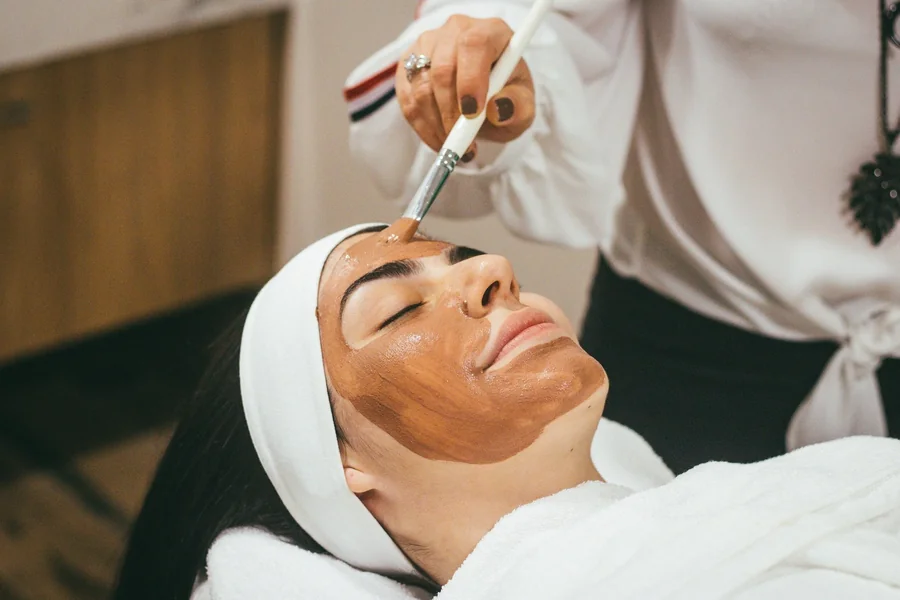
Do you feel low on confidence and not sure what to do? Studies show regular self-care can lift mood and build confidence. This post lists simple treatments you can try, like exercise, sleep habits, and mindfulness.
Read on for easy steps.
Movement and Exercise
Movement and exercise can boost your energy and mood. Simple activities like yoga or brisk walks can help you feel strong and relaxed.
Yoga and stretching for flexibility and relaxation
Yoga and gentle stretching loosen tight muscles and restore range of motion. Short routines help reduce tension after work. Daily practice supports mindfulness and calm. Many people report better selfesteem and less stress after regular sessions.
You can do poses that focus on breath and relaxation. Simple flows connect movement with meditation and ease anxiety. These practices build confidence through small, steady progress.
Next, try strength training or brisk walks to boost energy and endorphins.
Strength training or brisk walks to boost energy and endorphins
Lift weights or walk fast to raise energy and mood. Strength training builds muscle and burns calories. Brisk walks increase circulation and spark endorphins. These exercises support selfesteem and confidence.
Short routines fit busy days. Aim for 20 to 30 minutes, three times a week. Pair exercise with good sleep and healthy habits for better mental health. Next, explore mindfulness and meditation to calm the mind.
Mindfulness and Meditation
Mindfulness and meditation can help you feel calm. They teach you to focus on the present moment and free your mind from stress.
Guided meditation techniques to reduce stress
Guided meditation can cut stress fast. These techniques also build confidence and selfcompassion.
- Try a body scan to find tight spots and relax them. This meditation asks you to focus on each body part and release tension, which lowers heart rate and helps mental health.
- Use a guided breathing exercise to calm the nervous system. A teacher or app guides slow inhales and exhales, which brings clarity and boosts positive selftalk.
- Sit with a lovingkindness script and send kind thoughts to yourself. This practice grows selfcompassion and raises selfesteem, which supports long term confidence.
- Focus on a short, timed session for busy days, such as five minutes. This habit fits in work breaks and still reduces stress and improves mood.
- Repeat an affirmation meditation to rewrite negative patterns of thought. Say clear, short phrases out loud or in your head to strengthen positive selftalk and build empowerment.
- Practice imagery meditation that uses calming scenes like beaches or forests. Vivid mental pictures lower cortisol and help you feel grounded during stress Vocalnewsmedia Com.
- Link guided meditation to light movement, like gentle stretching after a session. This combo boosts endorphins and ties meditation to daily exercise and selfcare.
Breathing exercises to calm the nervous system
Breathing exercises can help you feel calm and centered. They are easy to learn and can be done anywhere.
- Take a deep breath in through your nose for four counts. This fills your lungs with air.
- Hold the breath for four counts. This helps you focus on the moment.
- Exhale slowly through your mouth for six counts. Let go of any stress as you breathe out.
- Repeat this cycle for five minutes. Doing this regularly can reduce anxiety.
- Try to notice how your body feels after each breathing session. You might feel more relaxed and confident.
- Use positive affirmations while breathing, like “I am strong” or “I am enough.” This boosts self-esteem and encourages self-love.
- Practicing these exercises daily improves mindfulness and promotes mental health.
These simple techniques can help calm your nervous system and boost your confidence over time.
Quality Sleep Hygiene
Quality sleep is key for feeling your best. A good night’s rest gives you energy and boosts your mood.
Establishing a consistent sleep schedule
Establishing a consistent sleep schedule can greatly improve your overall well-being. Good sleep helps boost confidence and energy levels.
- Set a regular bedtime. Going to bed at the same time every night helps your body know when to rest.
- Wake up at the same time each day. This keeps your internal clock steady, making it easier to fall asleep and wake up.
- Limit naps during the day. If you need to nap, keep it short—around 20-30 minutes—to avoid affecting nighttime sleep.
- Avoid screens before bed. The blue light from devices can trick your brain into thinking it’s still daytime, which makes falling asleep harder.
- Create a relaxing bedtime routine. Calm activities like reading or taking a warm bath prepare you for sleep.
- Make your bedroom restful. Keep it dark, quiet, and cool; this creates an ideal environment for better quality sleep.
- Stay active during the day. Regular exercise promotes better sleep but aim to finish workouts a few hours before bedtime.
- Watch what you eat and drink before bed. Avoid heavy meals and caffeine late in the day, as they may disrupt your sleep.
Focus on these habits for improved sleep hygiene and a boost in self-esteem through restful nights and energized days!
Creating a restful environment for better sleep
A calm room helps you sleep better. Keep your bedroom dark and quiet. Use thick curtains to block light. Try a white noise machine if sounds bother you. A cool temperature is best for sleeping well, so set your thermostat low.
Comfortable bedding makes a big difference too. Soft sheets and pillows can help you relax more easily. Remove distractions like phones or TV screens from the room; these can keep you awake longer than you’d like.
Good sleep hygiene sets the stage for quality rest, leading to better mental health and confidence during the day ahead. Mindfulness practices may further boost relaxation before bedtime.
Practicing Self-Compassion
It’s easy to be hard on yourself. Try to challenge those negative thoughts and focus on your achievements, no matter how small.
Challenging negative self-talk
Self-talk can impact your confidence. Many people don’t recognize how frequently they criticize themselves. This chatter can make you feel less worthy or capable. Start to notice these thoughts when they arise.
Ask yourself if they are true or beneficial. Often, you will find that negative perceptions are not reality.
Replace those harsh words with kindness. Use positive affirmations instead of criticism. Tell yourself what you do well and what makes you proud. Celebrate small wins; each step contributes to growth.
Building a support network helps too; share your feelings with friends or family who encourage you. These simple actions enhance self-esteem and improve mental health over time.
Celebrating small wins and progress
Celebrating small wins can boost your confidence. Acknowledging progress helps improve your self-esteem.
- Write down achievements, no matter how small. This makes them feel more real.
For some, getting a bikini wax can be a small yet empowering step towards feeling more in control of their body and appearance.
- Share your successes with friends or family. Their support can make you feel proud.
- Treat yourself when you reach a goal. This reinforces positive habits and encourages further growth.
- Reflect on past accomplishments often, reminding yourself of what you’ve done well.
- Use positive affirmations to celebrate your progress daily. Speak kindly to yourself to build self-compassion.
- Set smaller, achievable goals along the way to larger ones. Each small step leads to bigger wins.
- Keep a gratitude journal for daily reflections on things that went well, helping shift focus away from negatives.
- Reward yourself with simple pleasures like a favorite snack or a relaxing activity after reaching a target.
- Embrace mistakes as part of the journey towards improvement; learning from them is also a win.
- Create a vision board that showcases your goals and achievements; seeing them can keep you motivated.
Acknowledging these little victories creates an environment of personal growth and self-love, enhancing overall mental health too.
Conclusion
Self-care is a great way to build confidence. Exercise keeps you strong and boosts your mood. Mindfulness helps clear your mind and reduce stress. Good sleep lets you recharge for the day ahead.
With self-compassion, you can face challenges with kindness. These habits support your journey toward feeling better about yourself every day.
