


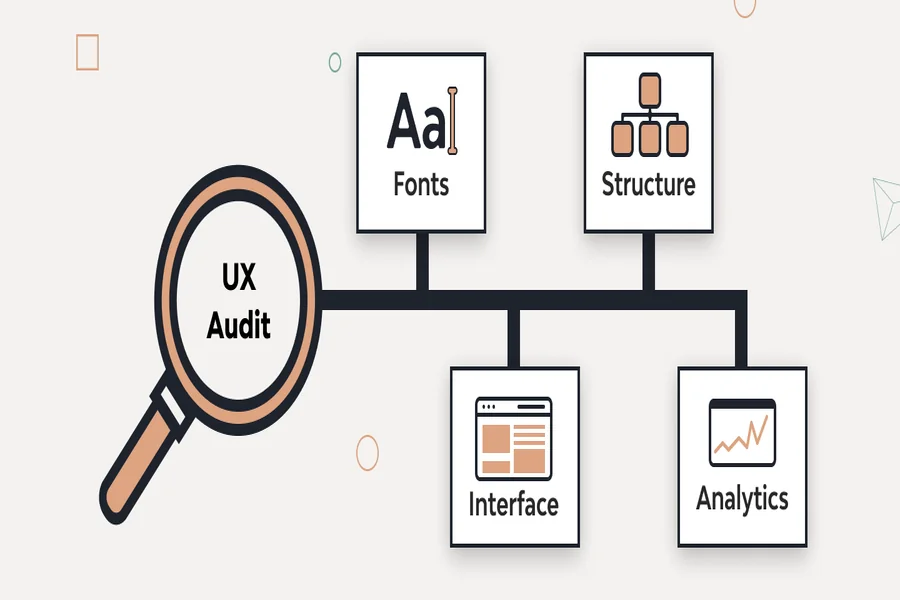
In today’s digital landscape, the user experience (UX) of a website can make or break a business. As consumers become increasingly discerning, businesses must prioritize creating seamless and engaging online interactions. One effective way to achieve this is through comprehensive UX audit services. These services analyze a website’s usability and design to identify areas for improvement, ultimately leading to increased leads and sales. This article delves into effective UX audit tactics that enhance customer satisfaction and drive conversion rates.
Understanding the Importance of UX Audits
A UX audit is a systematic evaluation of a website’s user experience. It encompasses various elements, including visual design, navigation, content structure, and overall usability. The goal is to uncover pain points that may hinder user engagement and conversions. By utilizing UX audit services, businesses can gain valuable insights into how users interact with their sites.
Research indicates that a well-designed user experience can lead to a conversion rate increase of up to 400% (source: Forrester Research). This statistic highlights the profound impact that effective UX strategies can have on business performance. Therefore, implementing thoughtful UX audits is not just an option; it is a necessity for companies aiming to thrive in the competitive online market.
Identifying Key Performance Indicators (KPIs)
Before initiating a UX audit, it is crucial to define the key performance indicators (KPIs) that will measure the effectiveness of the user experience. Common KPIs include bounce rates, time on site, conversion rates, and user satisfaction scores. By establishing these benchmarks, businesses can assess the current performance of their websites and identify specific areas for improvement.
For example, if the bounce rate is excessively high, it may indicate that users are not finding relevant information quickly. A UX audit can provide insights into navigation issues or content placement that may be causing this problem. By addressing these concerns, businesses can enhance user engagement and ultimately increase leads and sales.
Conducting User Research
User research is a critical component of any UX audit. Understanding user behavior, preferences, and pain points is essential for making informed design decisions. Various methods, such as surveys, interviews, and usability testing, can be employed to gather valuable feedback.
For instance, conducting usability tests with real users can reveal how they navigate the site and where they encounter difficulties. This direct feedback is invaluable for identifying specific issues that may not be apparent through analytics alone. By leveraging insights from user research, businesses can tailor their websites to better meet the needs of their target audiences.
Analyzing User Flows
User flows represent the paths that users take to complete specific tasks on a website. Analyzing these flows is crucial for identifying bottlenecks or obstacles that may impede the user journey. During a UX audit, it is essential to map out these flows and pinpoint where users may drop off or become frustrated.
For example, if many users abandon their shopping carts during the checkout process, it may indicate that the process is too complicated or lengthy. By simplifying the checkout flow and removing unnecessary steps, businesses can improve the overall user experience, leading to higher conversion rates. This is where UX audit services can play a pivotal role, helping organizations streamline processes to enhance user satisfaction.
Evaluating Visual Design and Aesthetics
Visual design plays a significant role in shaping user perceptions and overall experience. A well-designed website should be visually appealing, consistent, and aligned with the brand identity. During a UX audit, it is essential to evaluate the website’s aesthetics and how they contribute to user engagement.
Consider factors such as color schemes, typography, and imagery. A cluttered or visually inconsistent site can overwhelm users and lead to confusion. In contrast, a clean and cohesive design can enhance the user experience, making it easier for visitors to navigate and find information. By employing UX audit services, businesses can receive expert feedback on their design choices and make necessary adjustments to improve user engagement.
Optimizing Content for User Engagement
Content is a crucial element of any website, as it informs and engages users. During a UX audit, it is important to assess the quality and relevance of the content presented. This includes evaluating how content is structured, its readability, and its alignment with user needs.
Utilizing clear headings, bullet points, and concise language can enhance readability and keep users engaged. Additionally, ensuring that content is optimized for search engines can help attract more organic traffic. By focusing on high-quality content and its presentation, businesses can create a more engaging user experience that leads to increased conversions.
Testing and Iteration
One of the most important aspects of the UX audit process is testing and iteration. After implementing changes based on the audit findings, it is essential to conduct follow-up testing to assess the effectiveness of those changes. A/B testing, for example, allows businesses to compare different versions of a webpage to determine which performs better in terms of user engagement and conversions.
Continuous iteration is key to maintaining a positive user experience. By regularly reviewing and updating the website based on user feedback and performance data, businesses can ensure that they are meeting the evolving needs of their audience. This ongoing commitment to UX improvement can significantly impact lead generation and sales growth.
Leveraging Analytics for Insightful Decisions
Website analytics provide a wealth of information that can inform UX audits. Tools like Google Analytics can track user behavior, revealing how visitors interact with the site. Metrics such as page views, average session duration, and conversion rates can highlight areas that require attention.
By analyzing these metrics, businesses can gain insights into which pages perform well and which need improvement. For instance, if a particular landing page has a high bounce rate, a UX audit can help identify elements that may be deterring users. This data-driven approach ensures that UX improvements are based on actual user behavior, leading to more effective strategies.
Collaborating with UX Professionals
While businesses may have in-house teams capable of conducting UX audits, collaborating with professional UX audit services can provide additional expertise and perspective. UX professionals bring a wealth of experience and an outsider’s viewpoint, which can be invaluable in identifying issues that may be overlooked internally.
These experts can also offer best practices and proven strategies that have been effective for other organizations. By leveraging their knowledge, businesses can enhance their UX audits, leading to more comprehensive and impactful results. This collaboration can ultimately translate into increased leads and sales as the user experience improves.
Conclusion
In an era where online competition is fierce, investing in effective UX audit services is essential for businesses looking to enhance their digital presence. By employing strategies such as identifying KPIs, conducting user research, analyzing user flows, and continuously testing, companies can create engaging user experiences that drive conversions.
A thorough UX audit not only uncovers areas for improvement but also equips businesses with the tools needed to adapt to user needs. By prioritizing the user experience, organizations can foster customer loyalty, increase leads, and ultimately boost sales. As the digital landscape continues to evolve, maintaining a focus on UX will remain a cornerstone of successful online strategies.
