


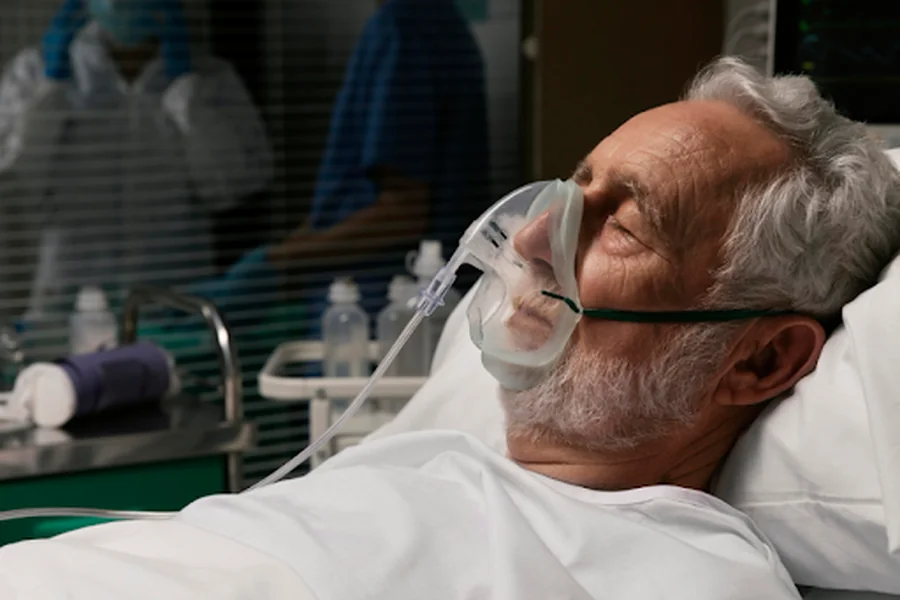
Sleep is something many people take for granted, yet for millions around the world, it is anything but restful. Obstructive sleep apnoea, often shortened to OSA, affects an estimated 936 million individuals globally. This condition disrupts breathing during sleep, leading to repeated awakenings that prevent the body from achieving deep, restorative rest. Over time, this can affect not only energy levels but also overall health and quality of life.
One of the most effective and widely recommended treatments for this condition is the CPAP machine, which stands for Continuous Positive Airway Pressure. While it may seem like a simple device at first glance, it plays a powerful role in helping people breathe properly during sleep. Keeping the airway open throughout the night, it allows users to experience uninterrupted rest and reduces many of the health risks linked to untreated sleep apnoea.
The Science Behind CPAP Technology
To understand how CPAP machines work, it helps to first consider what happens during sleep apnoea. In people with OSA, the airway can become partially or completely blocked when the muscles in the throat relax too much. This blockage interrupts breathing, sometimes dozens or even hundreds of times a night, often without the person being fully aware of it.
A CPAP machine addresses this issue by delivering a steady stream of pressurised air through a mask worn over the nose or both the nose and mouth. This gentle airflow acts like a support system, keeping the airway open so that breathing remains consistent throughout the night.
The machine itself is made up of a small motor, a flexible tube, and a mask. While the concept is straightforward, the impact is significant. By preventing airway collapse, CPAP therapy allows the body to remain in deeper stages of sleep for longer periods, which is essential for proper physical and mental recovery.
Benefits of CPAP Therapy for Sleep Apnoea Patients
The benefits of using a CPAP machine go far beyond simply reducing snoring or improving sleep. Many users notice a difference within just a few nights of consistent use. One of the most immediate changes is a reduction in daytime fatigue. When sleep is no longer constantly interrupted, the body has the chance to recharge properly, leading to improved focus and productivity during the day.
Over time, the health benefits become even more noticeable. Untreated sleep apnoea has been linked to serious conditions such as high blood pressure, heart disease, and stroke. By ensuring steady breathing throughout the night, CPAP therapy helps to reduce the strain on the cardiovascular system.
For many individuals, this treatment also brings emotional and mental benefits. Better sleep often leads to improved mood, reduced irritability, and a greater sense of overall well-being.
Selecting the Right CPAP Equipment
Choosing the right CPAP equipment is an important step in making the therapy effective and comfortable. Not all machines or masks are the same, and finding the right fit can make a significant difference in how easily someone adapts to using the device.
Masks come in several styles, including nasal pillows, nasal masks, and full-face masks. Each type suits different sleeping habits and comfort preferences. Some people prefer the minimal feel of nasal pillows, while others find full-face masks more suitable, especially if they tend to breathe through their mouth during sleep.
Modern CPAP machines also come with a range of features designed to improve comfort. These may include pressure adjustment settings, built-in humidifiers to prevent dryness, and quieter motors for a more peaceful sleeping environment.
Taking the time to choose the right equipment can make the transition to CPAP therapy much smoother and increase the likelihood of long-term use.
Addressing Common Challenges with CPAP Use
It is not uncommon for new users to face a few challenges when starting CPAP therapy. Wearing a mask throughout the night can feel unfamiliar at first, and some individuals may experience minor issues such as nasal congestion, dry mouth, or slight discomfort.
The good news is that most of these challenges can be resolved with small adjustments. For instance, switching to a different mask style or adjusting the fit can greatly improve comfort. Using a humidifier can help alleviate dryness, while gradually increasing usage time can make the experience feel more natural.
Support from healthcare professionals is also essential during this stage. With proper guidance and a willingness to adapt, most users find that these initial hurdles become much easier to manage over time.
Innovations in CPAP Machine Technology
CPAP technology has come a long way since it was first introduced. Today’s machines are designed with user comfort in mind, making them more compact, quieter, and easier to use than ever before.

Many modern devices include smart features that track sleep patterns and usage data. This information can be shared with healthcare providers, allowing for more personalised treatment adjustments. Some machines even offer automatic pressure adjustments based on the user’s breathing patterns, ensuring optimal support throughout the night.
These advancements have made CPAP therapy more accessible and less intimidating, encouraging more people to stick with their treatment and experience its full benefits.
The Impact of CPAP Therapy on Quality of Life
For those who commit to using a CPAP machine regularly, the impact on daily life can be profound. Improved sleep often leads to higher energy levels, better concentration, and a more positive outlook overall.
Relationships can also benefit. Sleep apnoea often affects not just the individual but also their partner, particularly when loud snoring or frequent awakenings are involved. With effective treatment, both individuals can enjoy a more peaceful night’s sleep.
Over time, many users report feeling more active and engaged in their daily routines. Tasks that once felt exhausting become more manageable, and overall quality of life improves in a noticeable way.
Addressing Misconceptions and Encouraging Adherence
Despite its effectiveness, CPAP therapy is sometimes misunderstood. Some people worry about becoming dependent on the machine, while others assume it is a temporary solution rather than a long-term treatment.
In reality, CPAP is a management tool rather than a cure. It works best when used consistently, helping to control the symptoms of sleep apnoea and prevent complications. Understanding this can help set realistic expectations and encourage long-term commitment.
Education plays a key role in overcoming these misconceptions. When individuals fully understand how the therapy works and why it is important, they are more likely to stay consistent with its use.
The Role of Healthcare Providers in CPAP Therapy
Healthcare professionals are an essential part of the CPAP journey. From diagnosing sleep apnoea to recommending the appropriate treatment, their guidance helps ensure that patients receive the care they need.
They also provide ongoing support, helping users adjust their equipment, troubleshoot issues, and monitor progress. Regular follow-ups allow for adjustments to be made as needed, ensuring that the therapy remains effective over time.
This collaborative approach makes a significant difference, as it provides patients with the confidence and support needed to continue their treatment successfully.
Future Directions for CPAP Therapy
The future of CPAP therapy looks promising, with ongoing research focused on making treatment even more effective and user-friendly. Innovations in areas such as artificial intelligence and data analysis are expected to play a larger role, allowing for more personalised care.
As technology continues to evolve, CPAP machines may become even more intuitive, adapting seamlessly to individual needs without requiring manual adjustments. This could further improve comfort and encourage consistent use.
With greater awareness of sleep health and continued advancements in treatment options, CPAP therapy is likely to remain a cornerstone in managing sleep apnoea for years to come.
In the end, addressing sleep apnoea is about more than just improving sleep. It is about protecting long-term health, enhancing daily life, and ensuring that each night of rest truly restores the body and mind.
