


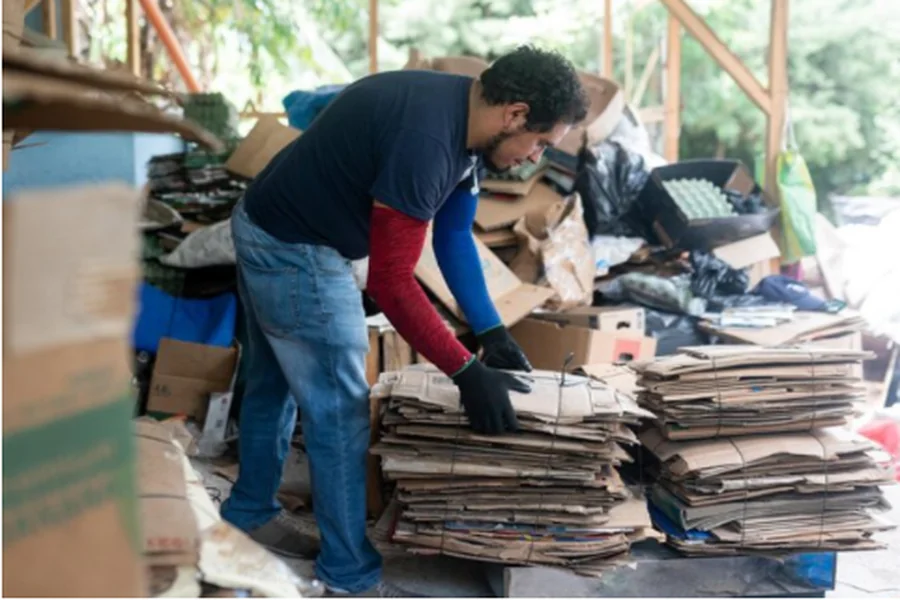
Understanding the Growing Challenge of Bulky Waste
Modern lifestyles naturally lead to the accumulation of large household items over time. Sofas, wardrobes, mattresses, refrigerators, and washing machines eventually reach the end of their usable life, creating what is commonly known as bulky waste. Unlike everyday trash, these items cannot simply be placed in regular bins due to their size, weight, and material composition. This makes their disposal more complex and requires thoughtful planning.
The challenge of managing bulky waste is not just about convenience. It is closely tied to environmental responsibility. Resources and recycling solutions available through https://earthrecyclingservices.sg/ can help individuals and businesses dispose of bulky items more responsibly and efficiently. When these items are not handled properly, they can create long-term problems that affect both urban cleanliness and ecological balance. This is why structured disposal systems and recycling services, such as those provided by Earth Recycling Services, play an important role in modern waste management practices.
Why Proper Disposal of Bulky Items Matters
The importance of responsible bulky item disposal extends far beyond simply clearing space in a home or office. Every large item contains a mix of materials that may include metal, wood, plastic, fabric, foam, and sometimes hazardous components. When dumped irresponsibly, these materials do not break down easily and can remain in landfills for decades.
Improper disposal contributes significantly to environmental pollution. As bulky items degrade slowly, they may release harmful substances into the soil and groundwater. In addition, landfills become overcrowded, increasing pressure on waste management systems. This also contributes to greenhouse gas emissions, especially when organic or synthetic materials break down under anaerobic conditions.
Responsible disposal ensures that materials are handled in a way that reduces environmental harm while maximising the recovery of reusable resources.
Recycling as the Core of Sustainable Waste Management
Recycling is one of the most effective ways to manage bulky waste sustainably. Instead of treating large items as useless waste, recycling processes break them down into recoverable materials that can be reused in manufacturing and production.
Metals from furniture frames, electrical components from appliances, and wood from cabinets can all be processed and reintroduced into the production cycle. This reduces the demand for raw materials and helps conserve natural resources. It also lowers the overall energy consumption required for producing new goods.
Recycling is not just a technical process but also a mindset shift. It encourages individuals and businesses to see waste as a resource rather than something to be discarded without consideration.
The Importance of Choosing the Right Waste Management Service
Selecting the right service provider is a key step in ensuring that bulky items are disposed of responsibly. Not all waste management services follow the same standards, so it is important to choose companies that prioritise environmental compliance and sustainable practices.
Professional providers typically follow structured processes that involve collection, sorting, dismantling, and recycling. They ensure that items are not simply sent to landfills but are instead broken down into reusable components whenever possible. Some even provide documentation or certification that confirms responsible disposal, which is especially important for businesses that must meet environmental regulations.
Working with reliable providers ensures peace of mind, knowing that waste is being managed in a safe and environmentally responsible way.
The Role of Electronic Waste in Bulky Item Disposal
A significant portion of bulky waste comes from electronic appliances. Items such as televisions, refrigerators, air conditioners, and washing machines fall under the category of electronic waste or e-waste. These items require special handling because they often contain hazardous substances such as refrigerants, heavy metals, and electronic circuitry.
Improper disposal of e-waste can have serious environmental consequences. Toxic materials may leak into soil and water systems, while valuable components go to waste. Proper recycling ensures that metals, plastics, and electronic parts are safely recovered and reused.
Specialised recycling services are trained to handle these materials in compliance with environmental standards, ensuring that harmful substances are safely extracted and disposed of.
Reuse and Donation as Sustainable Alternatives
Not all bulky items need to be recycled or discarded immediately. In many cases, furniture and appliances may still be in usable condition and can serve others in need. Donation is an effective way to extend the lifespan of these items while reducing environmental waste.
Charitable organisations and community groups often accept gently used furniture and household goods. This not only reduces the burden on waste management systems but also supports individuals and families who may not have access to such items.
Reuse also includes selling or giving away items through community platforms. This approach contributes to a circular economy where products are kept in use for as long as possible.

Understanding Regulations and Environmental Responsibility
Bulky waste disposal is often regulated by local environmental authorities. These regulations are designed to ensure that waste is handled safely and responsibly. They may include guidelines on collection methods, recycling requirements, and restrictions on landfill dumping.
Complying with these regulations is not only a legal requirement but also an ethical responsibility. Proper adherence helps maintain environmental standards and reduces the overall impact of waste on society.
Individuals and businesses that fail to follow proper disposal methods may face penalties or fines, making compliance an important aspect of waste management planning.
Practical Approaches to Managing Bulky Waste at Home
For individuals, managing bulky waste can seem overwhelming, but it becomes more manageable with proper planning. One effective approach is to organise disposal in advance rather than waiting for items to accumulate. Coordinating with collection schedules or booking a professional service can simplify the process significantly.
Breaking down large items into smaller parts can also make transportation easier and increase recycling efficiency. For example, removing cushions from sofas or detaching doors from cabinets can reduce bulk and improve handling.
Researching available recycling facilities and understanding their requirements ensures that items are delivered to the right place. Some facilities may accept specific materials only, so preparation is important.
Community involvement also plays a role. Participating in local clean-up initiatives helps reduce overall waste while promoting environmental awareness among residents.
Challenges in Bulky Waste Management Systems
Despite improvements in recycling technology, managing bulky waste still presents several challenges. One of the main difficulties is logistics. Transporting large items requires specialised vehicles and equipment, which increases operational costs.
Another challenge is material complexity. Many modern products are made from mixed materials that are difficult to separate efficiently. This makes recycling more time-consuming and sometimes less economically viable.
Public awareness is also a limiting factor. Many people are still unaware of proper disposal methods, leading to unnecessary landfill use. Addressing these challenges requires a combination of education, innovation, and policy support.
Future Trends in Waste Management and Recycling
The future of bulky waste disposal is closely linked to technological advancement. Automation and smart recycling systems are expected to improve efficiency in sorting and material recovery. Artificial intelligence may also play a role in identifying recyclable components more accurately.
The concept of a circular economy is gaining momentum, where products are designed with their entire life cycle in mind. This means items are created to be reused, repaired, or recycled more easily, reducing waste generation at the source.
Sustainability initiatives will continue to influence how industries design and manage products, making responsible disposal an integrated part of production rather than an afterthought.
Raising Awareness for Long-Term Environmental Impact
Public awareness remains one of the most powerful tools in improving waste management practices. When individuals understand the environmental consequences of improper disposal, they are more likely to adopt responsible habits.
Educational campaigns, community programmes, and corporate sustainability efforts all contribute to building a culture of environmental responsibility. Over time, this collective effort can significantly reduce the impact of bulky waste on the environment.
Conclusion: Building a Responsible Waste Management Culture
Responsible disposal of bulky items is not just a logistical task but also an environmental responsibility shared by everyone. From recycling and reuse to compliance with regulations, every action contributes to a more sustainable future.
By working with professional services such as Earth Recycling Services and adopting mindful disposal habits, individuals and businesses can significantly reduce their environmental footprint. The combined effort of proper planning, recycling, and awareness ensures that bulky waste is managed in a way that supports long-term ecological balance and sustainability.
