


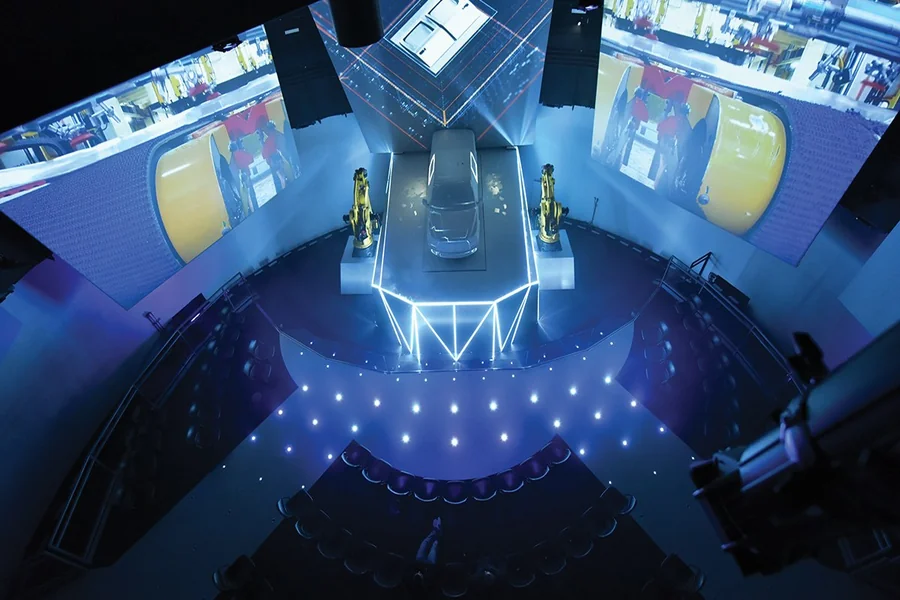
Planning events feels harder now with tight budgets and high guest expectations. Brands now use AI, VR, AR, and smart apps to boost engagement. This post shows practical tech trends you can use to plan better events and wow your audience.
Read on.
Leveraging AI in Event Planning
AI changes how events are planned. These smart tools help create experiences that match what attendees want.
AI-powered event management platforms
AI-powered event management platforms automate scheduling, registration, and ticketing. They use Artificial Intelligence to analyze attendee behavior and predict needs. Brands cut costs and boost engagement.
Platforms link event apps, contactless check-in, and real-time interaction tools. Organizers track attendance and measure digital experience in minutes. This tech supports hybrid events and grows community marketing.
Personalized attendee experiences with predictive analytics
AI platforms collect attendee data and feed predictive models. Predictive analytics mines that data to forecast interests and behaviors. Planners use those forecasts to set sessions, recommend content, and shape engagement.
Brands send relevant push notifications and match attendees with peers. This boosts session attendance and live interaction. Event apps and CRM systems sync profiles in real time to power personalized outreach and strengthen community marketing.
Enhancing Hybrid and Virtual Events
Hybrid and virtual events break down location barriers. They offer flexible ways for everyone to join in, making it easier to connect with a wider audience.
Breaking geographical barriers
Brands stream live sessions to global audiences. Virtual events let teams host panels, demos, and concerts across time zones. Virtual Reality and Augmented Reality create shared spaces for attendees. Community marketing keeps fans involved.
Events that mix in-person and remote options open more doors. Companies use translation tools and local hubs to widen their reach. Mobile apps sync schedules, networking, and polls in real time. Sustainability improves with fewer flights and lower carbon output.
Flexible participation options
Flexible participation options allow more people to join events. Hybrid events let guests attend in person or online. This setup breaks geographical barriers and boosts attendance.
Online platforms offer convenience for many attendees. They can connect from anywhere using their devices. Event organizers can use tools that help engage both groups equally. Interactive features also enhance the experience for all participants, making it memorable and inclusive.
Creating Immersive Experiences with AR and VR
AR and VR create exciting experiences for brands. These technologies let people interact with products in new ways, making events more engaging.
Interactive gamification and learning
One innovative option for enhancing engagement at events is Glambot rental, which provides an interactive video experience that captivates guests.
Interactive gamification enhances learning at events. It incorporates game-like elements to engage attendees. Participants can earn points, access rewards, and compete with others.
This makes the experience enjoyable and exciting.
Gamified activities assist people in retaining information more effectively. Brands utilize quizzes or challenges related to their products. Attendees acquire knowledge while playing games.
These interactive experiences make learning enjoyable and promote active participation in hybrid and virtual events.
360° product demos and virtual networking
360° product demos engage audiences like never before. Users can see every angle of a product. This offers a real sense of what they might buy. Virtual networking adds another layer to events.
Attendees connect in digital spaces, no matter where they are.
These technologies promote meaningful interactions among participants. People meet and share ideas without limits from their locations. Brands can showcase products while building community connections online.
The combination of these tools makes events more exciting and interactive for all involved, leading into the next focus on mobile technology for engagement.
Using Mobile Technology for Engagement
Mobile technology is changing how events connect with people. Event apps offer exciting features to keep attendees engaged and informed.
Event apps with smart features
Event apps with smart features are changing how attendees connect and engage during events. These tools make the experience smooth and interactive.
- Smart event apps offer agendas, schedules, and maps right at users’ fingertips. Attendees can easily find their way around.
- Real-time updates help keep everyone informed. Users get alerts about schedule changes or speaker announcements instantly.
- Networking tools allow attendees to connect with others. They can message or send connection requests through the app.
- Interactive features include polls and Q&A sessions during talks. This keeps the audience involved and encourages participation.
- Customizable profiles let users highlight their interests. Attendees can network based on shared topics or backgrounds.
- Contactless check-in speeds up entrance to events. Scanning QR codes reduces wait times for everyone.
- Analytics tools track attendee behaviors and preferences. Event planners gain insights to improve future events.
Using mobile technology enhances engagement in many ways. The next section will discuss sustainability and future-focused technology in event planning.
Contactless check-in and real-time interaction tools
Contactless check-in makes events safer and faster. Real-time interaction tools keep attendees engaged.
- Attendees can check in using their smartphones. This reduces lines and speeds up entry.
- QR codes are often used for quick access. Participants scan the code to enter events easily.
- Mobile apps provide updates during the event. Users receive notifications about schedules, speakers, or activities.
- Chat features in apps allow networking. Guests can message each other directly to set up meetings or discuss ideas.
- Polls and live Q&A sessions boost engagement. Attendees can voice their thoughts in real-time, making it interactive.
- Feedback is collected on the spot. Organizers get instant responses to improve future events.
Looking ahead, technology will continue to transform how hybrid and virtual events run.
Sustainability and Future-Focused Technology
Sustainability is key for modern events. Brands are using eco-friendly tech to make events greener and smarter.
Eco-friendly tech solutions
Eco-friendly tech solutions are gaining popularity in event planning. Brands now choose digital tools to reduce waste and save resources. Online ticketing cuts down on paper use, while virtual events minimize travel emissions.
Using renewable energy for events also helps the environment. Many venues are turning to solar or wind power. Smart technology can track energy usage too, leading to better efficiency.
Integrating IoT and 5G for seamless events
IoT and 5G technology change the way events happen. IoT devices help collect data on attendee preferences in real time. This information allows planners to offer personalized experiences.
With faster 5G networks, streaming high-quality content becomes easy and smooth. Attendees can join interactive sessions without glitches.
Smart sensors also track crowd movement. Event organizers can respond quickly to ensure safety and comfort. Using these technologies makes events more engaging and enjoyable for everyone involved.
Brands benefit too, as they connect better with their audience through incredible digital solutions like this one.
Conclusion
Creative event technology trends are shaping how brands connect with their audience. Many now use AI for improved planning and personalized experiences. Virtual and hybrid events offer flexible options to join from anywhere.
Augmented and virtual reality create enjoyable, immersive interactions. Brands prioritize sustainability while using intelligent tech solutions to engage attendees. Exciting changes are ahead in the events industry!
