


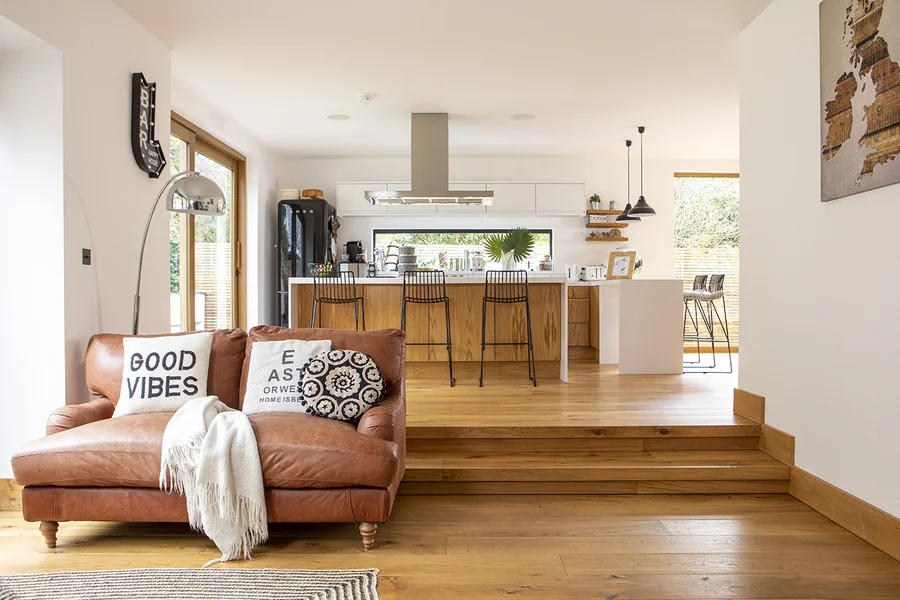
Introduction
Home Improvement plays an important role in shaping how comfortable, functional, and valuable a house feels over time. Whether you live in a small apartment or a large family home, thoughtful upgrades can make everyday life easier and more enjoyable. From simple repairs to major renovations, improving your living space is not just about appearance but also about comfort, safety, and long-term value. Many homeowners start Home Improvement projects with excitement but often struggle with planning and prioritizing what truly matters. A clear understanding of your needs and goals helps ensure that every effort contributes meaningfully to your home environment.
Planning Your Home Improvement Project
Good planning is the foundation of any successful renovation or upgrade. Before starting, it is important to evaluate your home carefully and identify areas that need attention. This may include outdated interiors, inefficient layouts, or structural repairs. Once you understand what needs to be improved, set realistic goals based on your lifestyle and budget. Prioritize projects that enhance functionality first, such as fixing plumbing issues, improving ventilation, or upgrading electrical systems. A well-structured plan should also include a timeline, helping you avoid unnecessary delays and confusion. When planning Home Improvement work, consider how each change will affect daily living, both immediately and in the long term. For additional tips and updates, you can visit avstarnews .com.
Budgeting and Cost Control
Managing expenses is one of the most critical aspects of any renovation project. Without a proper budget, costs can quickly spiral out of control. Start by estimating the total cost of materials, labor, and additional expenses such as permits or unexpected repairs. It is always wise to set aside a contingency fund to handle surprises during the process. Comparing prices from different suppliers and contractors can also help you save money without compromising quality. Another effective approach is to break the project into phases, allowing you to complete Home Improvement tasks gradually based on available funds. This method reduces financial pressure while still moving your project forward steadily.
Smart Design and Material Choices
Choosing the right design and materials can significantly impact the success of your renovation. Durable and low-maintenance materials are often more cost-effective in the long run, even if they require a slightly higher initial investment. For example, quality flooring, energy-efficient windows, and moisture-resistant paints can enhance both comfort and durability. Design choices should also reflect your lifestyle and personal taste while maintaining practicality. A clutter-free layout, natural lighting, and proper space utilization can transform even small homes into comfortable living spaces. When planning Home Improvement updates, it is important to strike a balance between aesthetics and functionality so that your home remains both beautiful and practical. Thoughtful design choices can enhance comfort, increase property value, and create a more enjoyable living environment. For more home improvement ideas and lifestyle insights, visit lodemagazine com.
Common Mistakes to Avoid
Many homeowners make avoidable mistakes during renovation projects that lead to wasted time and money. One common error is starting work without a clear plan, which often results in inconsistent design and unnecessary expenses. Another mistake is choosing cheap materials that wear out quickly, leading to frequent repairs. Ignoring professional advice can also cause structural or safety issues, especially in electrical or plumbing work. Some people also try to complete too many projects at once, which can reduce quality and increase stress. Avoiding these mistakes ensures that your Home Improvement journey remains smooth, efficient, and satisfying in the long run.
Final Thought
Home upgrades are most successful when they are guided by careful planning, realistic budgeting, and thoughtful design choices. A well-executed renovation not only improves the look of your space but also enhances comfort and long-term value. Instead of rushing into changes, taking a step-by-step approach helps ensure better results and fewer regrets. Whether you are making small adjustments or major transformations, consistency and attention to detail make all the difference. With the right mindset, Home Improvement becomes less of a challenge and more of a rewarding investment in your living environment.
FAQs
What is the best way to start a Home Improvement project?
The best way to start is by assessing your home’s condition, identifying priorities, and creating a clear plan with a realistic budget.
How can I save money on Home Improvement projects?
You can save money by comparing material prices, hiring reliable contractors, and completing projects in phases instead of all at once.
Which Home Improvement upgrades add the most value?
Kitchen upgrades, bathroom renovations, and energy-efficient improvements generally add the most value to a property.
Do I need professional help for all Home Improvement tasks?
Not all tasks require professionals, but electrical, plumbing, and structural work should always be handled by experts.
How do I choose the right materials for renovation?
Choose materials based on durability, maintenance needs, cost, and how well they match your home’s design and usage needs.
What is the biggest mistake in Home Improvement planning?
The biggest mistake is starting without a clear plan or budget, which often leads to overspending and inconsistent results.
