


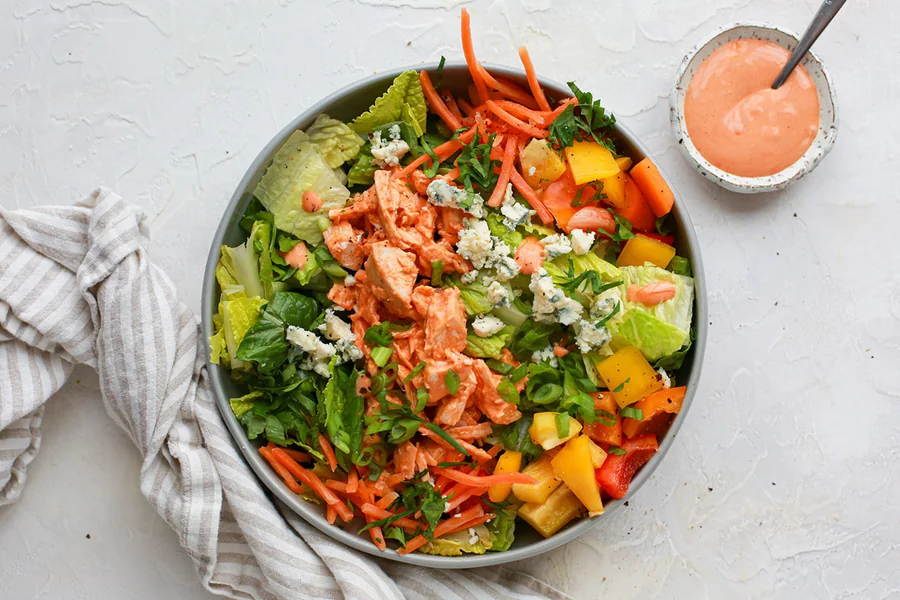
Eating well doesn’t have to come with a high grocery bill. In fact, some of the most nutritious and filling foods are also among the most affordable. With a little planning and a pantry stocked with versatile staples, you can prepare meals that support your health goals while keeping your food budget under control.
The secret isn’t buying expensive “superfoods” or specialty products. It’s learning how to combine everyday ingredients into balanced meals that provide protein, fiber, healthy carbohydrates, and essential nutrients. Whether you’re cooking for one or feeding a family, these budget-friendly foods can help you create satisfying breakfasts, lunches, dinners, and snacks that make healthy eating easier to maintain.
1. Eggs: The Ultimate Affordable Protein
Eggs are one of the best values in the grocery store. They’re packed with high-quality protein and can be prepared in countless ways.
Simple meal ideas include:
- Vegetable omelets
- Hard-boiled eggs for snacks
- Breakfast burritos
- Egg salad sandwiches
- Fried eggs served over roasted vegetables
Pair eggs with whole-grain toast and fresh fruit for a balanced breakfast that keeps you satisfied throughout the morning.
2. Oats: A Pantry Staple That Works Any Time of Day
Oats are inexpensive, filling, and incredibly versatile. While they’re often associated with breakfast, they can also be used in smoothies, homemade energy bites, baked goods, or even savory dishes.
Try combining oats with:
- Fresh berries
- Bananas
- Cinnamon
- Greek yogurt
- Peanut butter
Preparing overnight oats in advance makes busy mornings much easier while helping reduce the temptation to buy breakfast on the go.
3. Beans and Lentils for Budget-Friendly Nutrition
Beans and lentils provide an excellent combination of protein, fiber, and complex carbohydrates at a fraction of the cost of many meats.
Keep varieties such as:
- Black beans
- Kidney beans
- Chickpeas
- Lentils
- Pinto beans
Use them in soups, tacos, salads, grain bowls, wraps, or homemade chili.
Cooking dried beans in larger batches and freezing portions can save even more money over time.
4. Frozen Vegetables That Never Go to Waste
Fresh vegetables are wonderful, but frozen vegetables deserve just as much attention.
They’re:
- Affordable
- Convenient
- Already washed and chopped
- Available year-round
- Less likely to spoil before you use them
Broccoli, mixed vegetables, peas, cauliflower, spinach, and green beans can easily be added to stir-fries, casseroles, pasta dishes, soups, and omelets.
Keeping several bags in your freezer means you’ll always have vegetables ready for a balanced meal.
5. Brown Rice and Whole Grains
Whole grains help create meals that feel complete while providing lasting energy.
Affordable choices include:
- Brown rice
- Quinoa
- Whole-wheat pasta
- Barley
- Whole-grain couscous
Cook larger batches at the beginning of the week and use them in multiple meals.
For example:
- Grain bowls
- Stuffed peppers
- Stir-fries
- Side dishes
- Meal-prep lunches
Batch cooking grains saves both time and money.
6. Canned Tuna and Salmon
Shelf-stable seafood is an affordable way to increase protein intake without purchasing fresh fish every week.
Ideas include:
- Tuna salad wraps
- Salmon rice bowls
- Mixed green salads
- Pasta salads
- Sandwiches
These pantry staples are especially helpful when you need a quick meal without much preparation.
7. Seasonal Fruits
Buying fruit that’s in season usually provides the best value while offering great flavor.
Budget-friendly options often include:
- Apples
- Bananas
- Oranges
- Watermelon
- Grapes
Frozen fruit is another excellent option for smoothies, yogurt bowls, or healthy desserts.
Keeping fruit readily available encourages healthier snacking throughout the day.
8. Greek Yogurt for Breakfast, Snacks, and More
Plain Greek yogurt is a versatile ingredient that works well in both sweet and savory recipes.
Enjoy it:
- With fruit and granola
- In smoothies
- As a vegetable dip
- Mixed into oatmeal
- As a substitute for sour cream
Buying larger containers instead of individual cups often provides better value.
9. Potatoes and Sweet Potatoes
Potatoes are one of the most affordable and filling vegetables available.
Rather than relying on fried preparations, try:
- Baked potatoes
- Roasted cubes
- Mashed sweet potatoes
- Breakfast hash
- Potato soup
Pair them with lean protein and vegetables to create satisfying meals that fit almost any budget.
10. Affordable Lean Proteins
Protein doesn’t always have to be expensive.
Look for:
- Chicken thighs
- Chicken breast on sale
- Ground turkey
- Lean ground chicken
- Tofu
Buying family-size packages and freezing portions can significantly reduce grocery costs over time.
These proteins can be transformed into tacos, soups, casseroles, stir-fries, pasta dishes, and salads throughout the week.
Building Balanced Meals Without Overspending
The most satisfying meals don’t rely on expensive ingredients. Instead, they combine a few simple food groups that work together to provide lasting energy.
A balanced plate often includes:
- Lean protein
- Vegetables
- Whole grains or starchy vegetables
- Healthy fats
For example:
- Oatmeal with Greek yogurt and berries
- Chicken, brown rice, and broccoli
- Bean chili with roasted vegetables
- Tuna salad with whole-grain crackers
- Baked potato topped with cottage cheese and vegetables
These meals are affordable, filling, and easy to customize based on your preferences.
Smart Shopping Habits That Stretch Your Budget
Buying nutritious foods is only part of the equation. Shopping strategically helps maximize every grocery dollar.
Helpful habits include:
- Planning meals before shopping
- Buying store brands when possible
- Shopping seasonal produce
- Comparing unit prices
- Purchasing pantry staples in bulk
- Using frozen fruits and vegetables
- Cooking larger batches for leftovers
These simple habits reduce waste while making healthy eating more convenient.
Meal Prep Makes Affordable Foods Even More Valuable
Preparing ingredients ahead of time helps you get the most out of your grocery budget.
Spend an hour or two each week:
- Cooking grains
- Roasting vegetables
- Preparing proteins
- Washing fresh produce
- Portioning snacks
When healthy ingredients are ready to use, it’s much easier to prepare balanced meals even on busy days.
For those following Weight Watchers or looking for inspiration on building meals around nutritious staples, learning more about ww zero point foods can offer helpful ideas for choosing ingredients that naturally support satisfying, balanced eating.
Small Grocery Choices Can Lead to Big Results
Healthy eating isn’t determined by how much you spend at the grocery store—it’s shaped by the choices you make with the foods you bring home. A kitchen stocked with affordable staples gives you the flexibility to create nourishing meals without relying on expensive specialty products or takeout.
By combining simple ingredients like eggs, beans, whole grains, vegetables, fruit, and lean proteins, you can prepare breakfasts, lunches, dinners, and snacks that are both satisfying and budget-friendly. Over time, these everyday choices become lasting habits that support your health, simplify meal planning, and prove that eating well can be accessible for almost any budget.
