


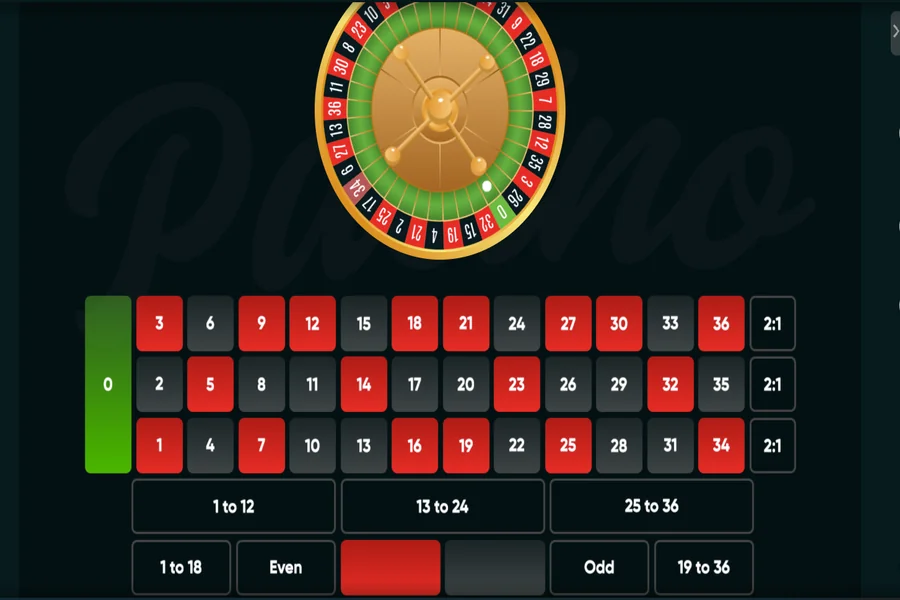
Gameplay progression in roulette games with crypto is defined by movement through a fixed sequence of phases. Every round of a session repeats this sequence. Outcomes, session length, or the distribution of entries on the grid do not shape the progression. It follows the same arc from initialisation through reset regardless of external conditions, which means every round a player enters is structurally equivalent to every other round within the same session.
The opening phase sets the foundation. Initialisation clears residual data from the prior round and prepares the table for new entry. It operates without player interaction and functions as a structural separator, creating a clean temporal boundary between rounds so that progression begins from a neutral point each time. From initialisation, the sequence moves into the placement phase, where all entry decisions are made within a fixed window. This window is the player’s only point of active engagement within the round sequence, and every decision made here is the sole contribution a player makes before the spin takes over and the round advances on its own terms.
What drives each phase forward?
Each phase in the progression is driven by the completion of the one that preceded it. The placement window does not open until initialisation completes. The spin does not trigger until the entry lock confirms all recorded selections. The result does not display until the spin resolves to a confirmed winning position. This chain of consecutive triggers is what gives the progression its mechanical coherence, and no phase can begin before its predecessor has fully closed.
This chain is most directly visible in the transition between placement and spin. The window closes, the lock fires, and the spin begins without any gap. The seamless handoff for roulette players is consistent regardless of session length. The sequence does not pause for external input or wait for conditions to align. It advances mechanically, keeping progression moving at a steady, uninterrupted pace from one phase to the next throughout the entire session.
The spin stage carries three defined functions within the round:
- It maintains a fixed temporal separation between the decision phase and the result phase.
- It generates the round outcome through a process entirely independent of the recorded entry data.
- It holds a consistent duration across every round, contributing to the stable timing that the session rhythm depends on.
Session-level progression
Across a full session, gameplay progression extends beyond any individual round. The same six-phase sequence repeats without structural variation from the first round to the last. Each round moves through initialisation, placement, lock, spin, result, and reset in the same order, closes completely, and hands off to the next initialisation cycle without carrying forward any unresolved state.
This repeatability is what makes session-level progression legible over time. A player who has completed fifteen rounds carries an accurate structural understanding of what the sixteenth will involve at every phase. Outcomes shift, and selections vary, but the progression arc holds its shape without deviation. That consistency across the full session is the defining quality of gameplay progression in Bitcoin roulette, and it is what allows sessions of any length to remain coherent and navigable from open to close.
