


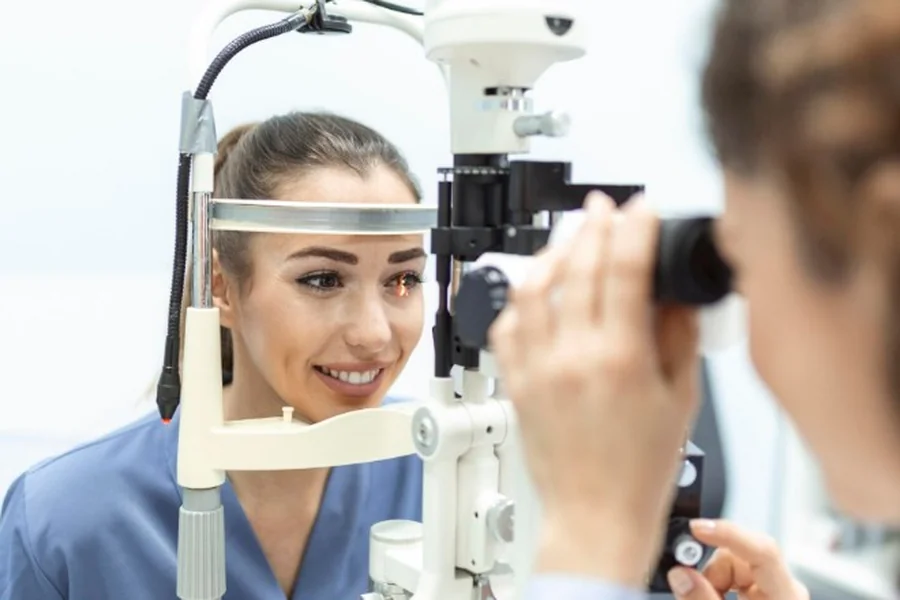
For many people who wear glasses or contact lenses, LASIK is an appealing option that offers the possibility of clearer vision without relying on corrective eyewear every day. As laser eye surgery has become more widely available, many individuals in Singapore are exploring whether the procedure is suitable for their needs. To better understand LASIK Eye Surgery Price in Singapore, consult a qualified eye specialist who can explain the costs, treatment options, and factors that may influence the overall investment in vision correction.
One of the most common questions people ask before considering treatment is how much LASIK costs. While pricing is certainly an important factor, understanding what influences the cost and what is included in the overall treatment process can help patients make a more informed decision.
LASIK is not a one-size-fits-all procedure. Different technologies, levels of vision correction, and individual eye conditions can affect both suitability and pricing. For this reason, it is important to look beyond the advertised figures and understand the factors that contribute to the total cost.
What Is LASIK?
LASIK, which stands for Laser-Assisted In Situ Keratomileusis, is a type of refractive eye surgery designed to correct common vision problems such as short-sightedness, long-sightedness, and astigmatism.
The procedure reshapes the cornea using laser technology, allowing light entering the eye to focus more accurately on the retina. This can improve vision and reduce or eliminate the need for glasses or contact lenses.
Typical LASIK Price Range in Singapore
The cost of LASIK in Singapore can vary significantly depending on the clinic, technology used, surgeon experience, and individual treatment requirements.
In general, patients may encounter prices ranging from approximately SGD 2,500 to SGD 5,500 or more for both eyes.
Some clinics may advertise lower starting prices, while others offer premium procedures that utilise advanced laser technologies and customised treatment plans.
It is important to remember that pricing often reflects more than the procedure itself. Factors such as pre-operative assessments, follow-up appointments, diagnostic testing, and post-operative care may also be included.
Comparing prices without understanding what is covered can sometimes create a misleading impression of overall value.
Factors That Affect LASIK Costs
Several factors influence LASIK pricing in Singapore.
One of the most significant factors is the type of technology used during the procedure. Traditional LASIK techniques may cost less than newer procedures that utilise advanced laser systems and customised mapping technologies.
The complexity of the patient’s prescription can also affect treatment planning. Individuals with higher degrees of vision correction may require more specialised procedures or additional assessments.
The reputation and experience of the surgeon may also contribute to pricing differences. Many patients view the surgeon’s expertise as an important consideration because vision correction procedures involve highly specialised medical care.
Facility standards, equipment quality, and the scope of aftercare services can further influence overall costs.
Differences Between LASIK Procedures
Modern laser vision correction includes several variations of LASIK and related procedures.
Standard LASIK remains one of the most recognised options. However, some clinics also offer bladeless LASIK, customised LASIK, and other advanced laser vision correction methods.
Bladeless procedures use laser technology to create the corneal flap rather than a mechanical instrument. Some patients are attracted to these techniques because of their precision and technological advancements.
Customised treatments may involve detailed mapping of the eye to tailor the procedure more closely to the individual’s vision characteristics.
Because these approaches often involve more sophisticated equipment and planning, they may be associated with higher costs.
The Importance of Pre-Operative Assessments
Before any LASIK procedure takes place, patients undergo a comprehensive eye examination.
These assessments are designed to determine whether LASIK is appropriate and safe for the individual.
Tests may evaluate corneal thickness, eye health, pupil size, prescription stability, tear production, and other important factors.
Not everyone is a suitable candidate for LASIK. Certain eye conditions or health considerations may make alternative treatments more appropriate.
A thorough assessment helps ensure that recommendations are based on safety rather than convenience.
In some cases, consultation and diagnostic fees may be included in the treatment package, while other providers may charge separately.
Knowing What Is Included in the Price
When comparing LASIK costs, patients should pay close attention to what is included in the quoted fee.
Some treatment packages may cover consultations, diagnostic testing, surgery, medications, and follow-up visits.
Others may advertise a lower initial price while charging separately for certain components of care.
Asking for a detailed breakdown helps patients understand the true cost of treatment and avoid unexpected expenses.
Transparency regarding inclusions is often an important indicator of a clinic’s approach to patient care.
Is the Cheapest Option Always the Best Choice?
Cost is naturally an important consideration, but choosing LASIK solely based on price may not always be the best approach.
Vision correction procedures involve sophisticated medical technology and highly specialised expertise.
Many patients prioritise factors such as surgeon experience, clinic reputation, technology standards, and the quality of aftercare when evaluating their options.
The goal is not simply to find the lowest price but to identify a provider that offers appropriate care, thorough assessments, and a treatment plan tailored to individual needs.
A balanced evaluation often leads to greater confidence in the decision-making process.
Recovery and Post-Operative Care
Recovery is another aspect that should be considered when evaluating LASIK costs.
After the procedure, patients typically attend follow-up appointments to monitor healing and visual improvement.
Eye drops and other post-operative instructions are commonly provided to support recovery.
Most patients experience relatively quick improvements in vision, although recovery timelines can vary.
Comprehensive aftercare contributes to the overall treatment experience and is often included within the total package offered by many clinics.
Understanding the scope of follow-up care helps patients assess the overall value of the procedure rather than focusing only on the initial surgical fee.

Alternatives to LASIK
LASIK is not the only option available for vision correction.
Depending on the patient’s eye condition, alternatives such as PRK, SMILE, implantable contact lenses, or other refractive procedures may be recommended.
Each option has its own benefits, limitations, suitability criteria, and cost considerations.
A comprehensive consultation allows patients to explore all available options and determine which treatment is most appropriate for their individual circumstances.
Making an Informed Decision
Deciding whether to undergo LASIK involves more than comparing prices.
Patients should consider their vision goals, lifestyle requirements, medical suitability, and the quality of care provided by the clinic.
Researching providers, asking detailed questions, and understanding the complete treatment process can help ensure realistic expectations.
An informed decision often results in greater confidence and satisfaction throughout the treatment journey.
Conclusion
LASIK remains one of the most popular vision correction procedures available in Singapore, offering many individuals the opportunity to reduce their reliance on glasses or contact lenses. While costs typically range from a few thousand dollars to several thousand dollars per treatment, pricing can vary based on technology, surgeon expertise, clinic services, and individual requirements.
Rather than focusing solely on cost, prospective patients should evaluate the overall value of the procedure, including assessments, technology, safety standards, and aftercare support.
