


Why Gallbladder Health Deserves Serious Attention
Gallbladder problems are often underestimated until symptoms become severe. Many people ignore early signs such as abdominal discomfort, bloating, or digestive issues, assuming they are minor concerns. However, the gallbladder plays a key role in digestion, and when it is not functioning properly, it can affect overall health in ways that are difficult to ignore.
In Singapore, access to high-quality healthcare has made it easier for patients to seek early diagnosis and treatment. The country is known for its advanced medical system, experienced specialists, and strong focus on patient safety. Many patients look for the best gallbladder surgeons in Singapore to ensure they receive effective treatment, accurate diagnoses, and quality post-operative care. For individuals dealing with gallbladder conditions, finding the right surgeon is one of the most important decisions they will make.
Choosing a skilled professional is not just about resolving current symptoms. It is about ensuring long-term health, minimising risks, and receiving care that is both precise and compassionate. Understanding the process and knowing what to look for can help patients make informed choices with confidence.
Understanding the Function of the Gallbladder
The gallbladder is a small organ located beneath the liver. Its main role is to store and concentrate bile, a digestive fluid that helps break down fats. Although it is not essential for survival, its proper function contributes to smooth digestion.
Problems arise when substances in bile harden into stones or when inflammation develops. Conditions such as gallstones or infections can lead to pain, nausea, and digestive discomfort. In some cases, complications may become serious if left untreated.
Because symptoms can vary from mild to severe, proper diagnosis is essential. Doctors often rely on imaging tests and clinical evaluations to determine the exact issue. Once a condition is confirmed, treatment plans are tailored to the patient’s needs, which may include medication or surgery.
When Surgery Becomes Necessary
Not all gallbladder conditions require surgery, but in many cases, removal of the gallbladder is the most effective solution. This procedure, known medically as a cholecystectomy, is commonly performed when gallstones cause repeated pain or complications.
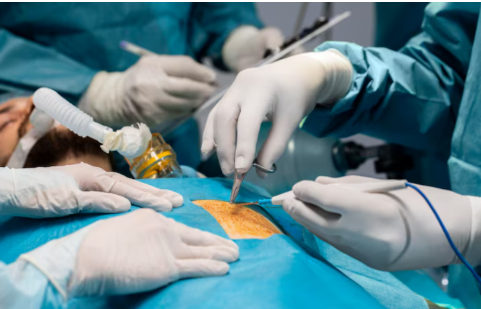
Modern surgical methods have made this procedure much safer and less invasive than in the past. Most surgeries are performed using minimally invasive techniques, which involve small incisions and specialised instruments. This approach reduces recovery time and lowers the risk of complications.
Patients are often concerned about how life will change after gallbladder removal. In most cases, the body adapts well, and individuals can return to normal activities with minimal dietary adjustments. A qualified surgeon will guide patients through this transition, ensuring they understand what to expect before and after the procedure.
The Standard of Surgical Care in Singapore
Singapore has built a strong reputation for excellence in healthcare, particularly in specialised fields like general surgery. Hospitals and medical centres are equipped with advanced technology, and surgeons undergo rigorous training to maintain high standards of care.
One of the defining features of the healthcare system is its emphasis on precision and safety. Surgical procedures are supported by modern imaging tools, sterile environments, and strict protocols that minimise risks. This level of attention ensures that patients receive reliable and consistent care.
Another important aspect is the patient-focused approach. Doctors in Singapore are trained not only to perform procedures but also to communicate clearly and provide reassurance. This combination of technical skill and empathy creates a supportive environment for patients undergoing treatment.
Qualities That Define a Trusted Gallbladder Surgeon
Selecting the right surgeon involves more than reviewing credentials. While education and training are important, patients should also consider experience, communication style, and overall approach to care.
A surgeon with extensive experience in gallbladder procedures is more likely to handle complex cases effectively. Years of practice often translate into refined techniques and better decision-making during surgery. Training in minimally invasive methods is also a valuable advantage, as it reflects familiarity with modern surgical approaches.
Equally important is how the surgeon interacts with patients. Clear communication helps build trust and ensures that patients fully understand their condition and treatment options. A good surgeon takes time to answer questions, explain risks, and provide guidance without rushing the process.
Attention to detail is another key factor. From pre-surgical assessments to postoperative care, a meticulous approach can significantly influence outcomes. Patients benefit from professionals who prioritise thorough evaluation and careful monitoring throughout the entire treatment journey.
The Role of Advanced Technology in Gallbladder Surgery
Technological innovation has transformed the way gallbladder surgeries are performed. Minimally invasive techniques, including laparoscopic procedures, have become the standard in many hospitals. These methods allow surgeons to operate with greater precision while minimising physical trauma to the body.
Robotic-assisted systems are also being introduced in some facilities, offering enhanced control and accuracy. These systems can improve visualisation and allow for more delicate movements during surgery. While not every case requires robotic assistance, it represents an important step forward in surgical advancement.
Technology also plays a role in diagnosis and recovery. High-resolution imaging helps doctors identify issues more accurately, while digital monitoring systems support postoperative care. This integration of technology ensures that patients receive comprehensive treatment at every stage.

Patient Experience and the Importance of Care
For many individuals, the thought of surgery can be overwhelming. This is why patient experience is a critical aspect of healthcare. From the initial consultation to recovery, every step should be handled with care and attention.
In Singapore, many medical facilities prioritise patient comfort and support. Staff members are trained to provide clear instructions, assist with scheduling, and address concerns promptly. This level of service helps reduce anxiety and makes the overall experience more manageable.
Recovery is another area where patient care plays a significant role. After surgery, patients receive guidance on diet, activity levels, and follow-up appointments. Proper care during this phase is essential for healing and preventing complications.
The relationship between patient and surgeon does not end after the procedure. Ongoing communication ensures that any concerns are addressed quickly, allowing patients to return to normal life with confidence.
The Value of Multidisciplinary Support
Gallbladder treatment often involves more than just surgery. A comprehensive approach may include input from specialists in gastroenterology, nutrition, and imaging. This collaboration ensures that every aspect of the patient’s condition is considered.
For example, gastroenterologists may assist in diagnosing digestive issues, while dietitians provide guidance on maintaining a balanced diet after surgery. Radiologists play a role in interpreting imaging results, helping surgeons make informed decisions.
This team-based approach improves the quality of care and ensures that patients receive well-rounded treatment. It also allows for personalised plans that address individual needs rather than relying on a one-size-fits-all solution.
Postoperative Recovery and Long-Term Health
Recovery from gallbladder surgery is generally straightforward, especially with minimally invasive techniques. Most patients can resume normal activities within a short period, although full recovery may take some time depending on individual factors.
Doctors typically recommend gradual adjustments to diet and lifestyle. While many people can return to their usual eating habits, some may benefit from reducing fatty foods and maintaining balanced nutrition. These changes support digestion and overall health.
Follow-up appointments are an important part of recovery. They allow doctors to monitor healing and address any concerns. Patients who adhere to medical advice and attend follow-up visits are more likely to experience smooth recoveries.
Long-term health is not just about the surgery itself. It involves maintaining healthy habits, staying active, and seeking medical advice when needed. This proactive approach helps prevent future complications and supports overall well-being.
Making an Informed Decision for Better Outcomes
Choosing a gallbladder surgeon is a decision that requires careful thought. Patients should consider factors such as experience, communication, and access to advanced facilities. Taking the time to research and consult with professionals can make a significant difference in the outcome.
Singapore offers a wide range of qualified specialists, giving patients the opportunity to find a doctor who aligns with their needs and preferences. This flexibility allows individuals to prioritise comfort and confidence when making healthcare decisions.
Trust plays a central role in this process. Feeling confident in a surgeon’s abilities helps patients approach treatment with a positive mindset. This confidence can contribute to better overall experiences and outcomes.
A Balanced Approach to Gallbladder Care
Gallbladder conditions can be challenging, but they are highly manageable with the right care. Advances in medical technology, combined with skilled professionals, have made treatment safer and more effective than ever.
In Singapore, patients benefit from a healthcare system that emphasises quality, innovation, and patient-centred care. By understanding the condition, exploring treatment options, and choosing the right surgeon, individuals can take control of their health journey.
Making informed decisions today can lead to better outcomes tomorrow. With proper guidance and support, patients can move forward with confidence, knowing they are receiving care that prioritises both safety and long-term well-being.
